
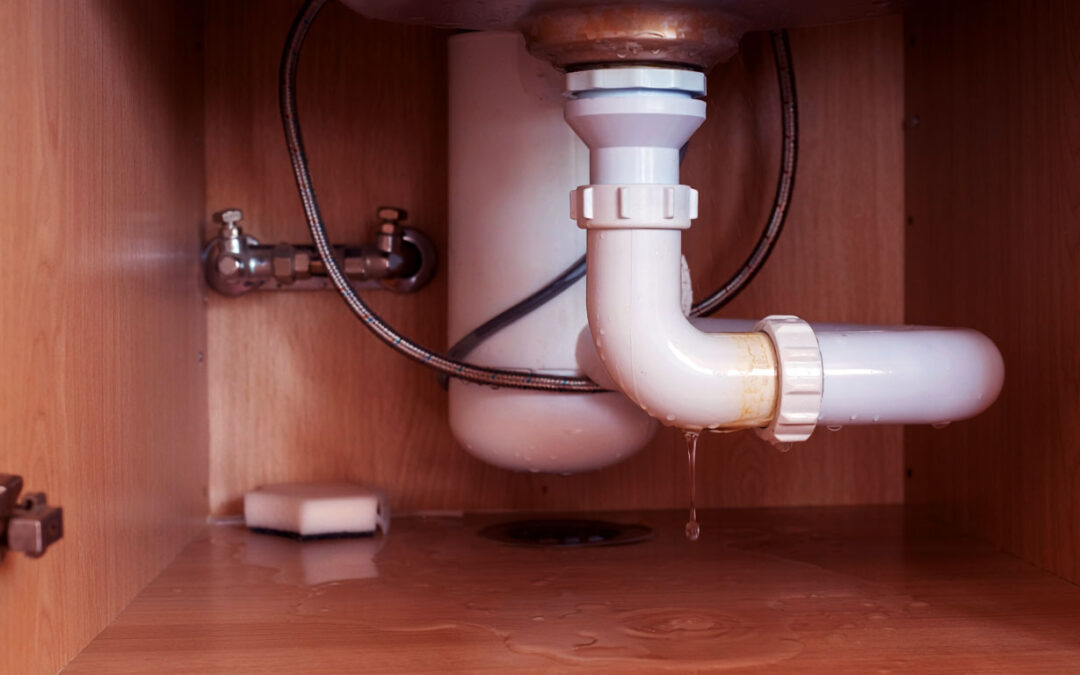
It is easy to overlook a dripping faucet, a slow drain, or a toilet that runs occasionally. Many homeowners and business owners assume these are minor inconveniences that can wait until later. However, small plumbing problems rarely stay small for long. What begins as a simple leak or clog can quickly turn into expensive repairs, property damage, and even health hazards. Ignoring plumbing issues today often leads to paying a much bigger price tomorrow.
One of the most common examples is a leaking faucet or pipe. A slow drip may not seem serious, but over time it can waste thousands of gallons of water each year. That waste of water increases utility bills month after month. Even worse, hidden leaks behind walls or under floors can cause structural damage before they are ever discovered. Moisture can weaken wood, drywall, and flooring, leading to costly repairs that go far beyond basic plumbing work.
Small plumbing leaks can also create the perfect environment for mold and mildew growth. Mold thrives in damp, dark spaces and can spread quickly once it takes hold. In homes and commercial buildings, mold remediation can become extremely expensive and disruptive. Beyond the financial impact, mold may also affect indoor air quality and contribute to respiratory issues for occupants. A minor leak left untreated for too long can become both a health concern and a major restoration project.
Slow drains are another plumbing issue many people ignore. While a sink or shower draining slowly may appear to be only a nuisance, it often signals a developing blockage in the plumbing system. Over time, grease, soap scum, hair, food debris, and other materials continue building up inside pipes. Eventually, the blockage can become severe enough to cause complete drain failure or sewage backups. Cleaning up after a sewage backup is unpleasant, expensive, and potentially hazardous.
Water heaters also provide warning signs that should never be ignored. Strange noises, inconsistent hot water, rust-colored water, or small leaks around the unit can indicate trouble. If these issues are neglected, the water heater may fail completely, sometimes causing flooding or water damage in the surrounding area. Replacing flooring, drywall, and personal belongings after a burst water heater often costs far more than addressing maintenance issues early.
For businesses, the stakes can be even higher. Plumbing problems in restaurants, office buildings, retail spaces, or hotels can interrupt operations and negatively affect customer experiences. A restroom closure, water leak, or sewer problem may force temporary shutdowns and lead to lost revenue. In some industries, unresolved plumbing issues can even result in code violations or liability concerns. Preventive maintenance is almost always more affordable than emergency repairs and business interruptions.
Another hidden cost of ignoring plumbing issues is the increased strain placed on the entire plumbing system. A small clog, leak, or pressure problem can force pipes and fixtures to work harder than they should. Over time, this additional stress may shorten the lifespan of plumbing components and lead to more widespread failures throughout the property.
The good news is that many costly plumbing emergencies are preventable. Regular inspections, routine maintenance, and prompt attention to minor issues can save significant money over time. Professional plumbers can identify hidden leaks, detect early warning signs, and recommend repairs before problems escalate.
When it comes to plumbing, delaying repairs is rarely a money-saving strategy. Small problems almost always become larger, more expensive ones if left unresolved. Addressing plumbing concerns early protects your property, reduces long-term costs, and helps ensure your plumbing system continues operating safely and efficiently for years to come.
For assistance in finding a plumber visit https://socalplumbers.com/.