
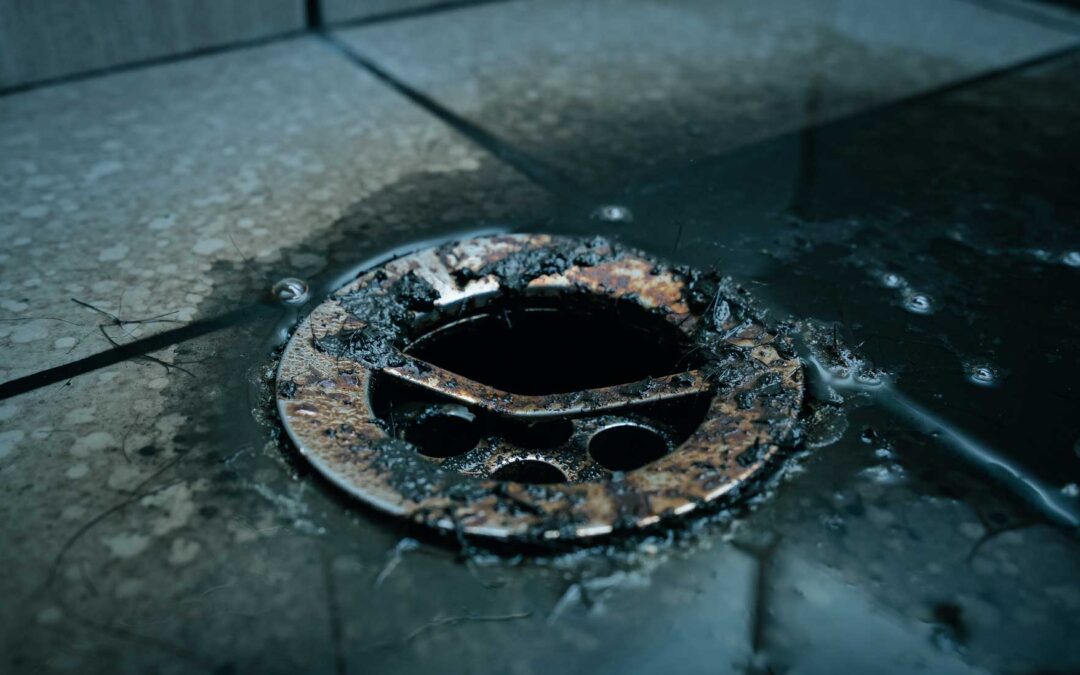
A sewer backup can turn an ordinary day into a costly cleanup. Wastewater may rise through a floor drain, toilet or shower, damaging finishes and creating sanitation concerns for homeowners and businesses alike. While not every backup is preventable, routine maintenance and a few careful habits can substantially reduce the risk.
In Southern California, older sewer laterals, mature landscaping and everyday drain habits all deserve attention. The most effective prevention plan starts with understanding what enters the pipes and what condition those pipes are in.
Keep Grease and Cooking Oil Out of Drains
Cooking fats, oils and grease can cling to the inside of drain and sewer pipes as they cool. Over time, the buildup can narrow the line and trap other debris. Running hot water or using a garbage disposal does not make grease safe for the sewer.
Let cooking oil cool, collect it for proper disposal and wipe greasy pans before washing. Restaurants and other food-service businesses should also maintain grease-control equipment according to applicable local requirements.
Be Careful About What You Flush
Toilets are designed for human waste and toilet paper—not wipes, paper towels, hygiene products, dental floss or other household trash. Even items marketed as flushable can contribute to blockages, especially when they catch on rough or damaged pipe surfaces.
The EPA guidance on sanitary sewer overflows identifies grease and inappropriate flushed materials among the causes of sewer system problems.
Watch for Tree Root Intrusion
Roots naturally grow toward moisture and can enter sewer laterals through deteriorated joints, cracks or other openings. Once established, they may trap waste and restrict flow. Properties with older piping or mature trees near the sewer route can be particularly vulnerable.
Avoid planting large trees directly over a known sewer line when planning new landscaping. For existing trees, an inspection is more useful than assuming removal is necessary. A plumber can identify whether roots are present and recommend an appropriate response.
Schedule a Sewer Camera Inspection When Warning Signs Appear
Recurring slow drains, gurgling toilets, sewage odors and repeated clogs can point to a problem beyond a single fixture. A sewer camera inspection can reveal root intrusion, separated joints, sagging sections, grease accumulation and other issues that ordinary drain cleaning may not resolve.
An inspection is especially worth considering for older properties, buildings with a history of backups or buyers evaluating an aging sewer lateral. The appropriate inspection schedule depends on pipe condition and past problems; there is no single interval that fits every property.
Ask Whether a Backwater Valve Is Appropriate
A backwater valve is designed to help prevent wastewater from flowing backward into a building under certain conditions. It may offer valuable protection for some properties, particularly where plumbing fixtures sit below the level at which sewage could back up.
These valves are not a substitute for maintaining a blocked private sewer line. They require appropriate installation and periodic inspection, and local code requirements may apply. Have a licensed plumber determine whether one is suitable for your property.
Know Who Maintains Your Sewer Lateral
The sewer lateral connects a property’s drains to the public sewer. Property owners are often responsible for some or all of this private connection, but the exact boundary and repair rules vary among Southern California sewer agencies.
Check with your local wastewater utility before a problem arises. Knowing where the lateral runs and who is responsible for repairs can save valuable time during an emergency.
Take Warning Signs Seriously
If wastewater is backing up into the building, stop using plumbing fixtures that could add more water to the affected line and seek professional assistance. Avoid contact with sewage and keep people away from contaminated areas. For routine prevention, focus on grease disposal, sensible flushing habits and timely attention to recurring drain problems.
For help finding a plumbing professional to inspect or maintain your sewer line, visit SoCal Plumbers and explore options for your Southern California property.