
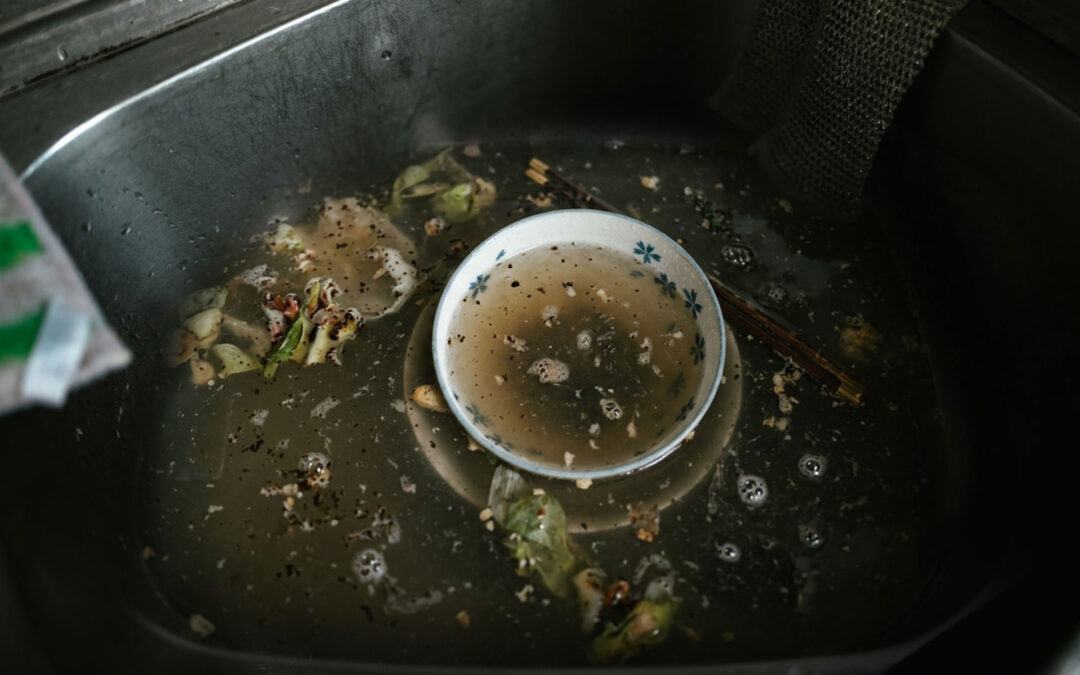
The holiday season is a time for family gatherings, home-cooked meals, and plenty of activity in the kitchen. Unfortunately, it is also one of the busiest times of year for emergency plumbing calls. Between preparing large meals, washing extra dishes, and disposing of food scraps, your kitchen sink and garbage disposal work harder than usual. Taking a few preventive steps before the holidays can help you avoid frustrating clogs, costly repairs, and disruptions when your guests arrive.
Be Mindful of What Goes Down the Drain
One of the biggest causes of kitchen sink clogs is putting the wrong items down the drain. Even if you have a garbage disposal, it is not designed to handle everything. Avoid putting these items in your sink:
- Cooking grease, fats, or oils
- Coffee grounds
- Eggshells
- Pasta, rice, and bread
- Fibrous vegetables like celery and corn husks
- Potato peels
- Fruit pits and bones
Grease is particularly troublesome because it may flow down the drain while hot but solidifies as it cools, gradually trapping other debris until a blockage forms.
Dispose of Food Waste Properly
Before rinsing dishes, scrape leftover food into the trash or compost bin. Using sink strainers can also catch food particles before they enter your plumbing system. These inexpensive accessories can significantly reduce the amount of debris traveling through your pipes.
If you use a garbage disposal, feed small amounts of food into it gradually rather than dumping everything in at once.
Run Plenty of Water
Whenever you operate your garbage disposal, run cold water before, during, and after use. Cold water helps solidify grease so it can be chopped into smaller pieces instead of coating the inside of your pipes. Continue running water for 15 to 30 seconds after turning off the disposal to help flush any remaining particles through your plumbing system.
Clean Your Garbage Disposal
Food particles trapped inside your garbage disposal can create unpleasant odors and contribute to clogs. To keep it clean:
- Grind ice cubes to help remove buildup.
- Add citrus peels for a fresh scent.
- Flush with cold water after cleaning once a month.
A simple monthly cleaning can help reduce buildup before holiday cooking begins.
Pour half a cup of baking soda down the drain, followed by one cup of white vinegar. Allow the mixture to fizz for 10 to 15 minutes, then flush with hot water. This natural method helps loosen minor residue without exposing your plumbing to corrosive chemicals.
Watch for Early Warning Signs
Your plumbing often provides clues before a complete blockage occurs. Contact a plumber if you notice:
- Slow-draining sinks
- Gurgling sounds
- Water backing up into nearby drains
- Persistent foul odors
- Frequent need for a plunger
Addressing these symptoms early can prevent a complete clog when your kitchen is under its heaviest use.
Schedule Preventive Plumbing Maintenance
If your kitchen sink drains slowly or you have experienced recurring clogs throughout the year, don’t wait until Thanksgiving or another holiday gathering to address the problem.
A professional plumber can inspect your drain lines, identify developing blockages, and perform drain cleaning before they become major issues. Preventive maintenance is often far less expensive than emergency plumbing service during a busy holiday weekend.
Enjoy Your Holidays, Don’t Panic
Holiday meals should create lasting memories, not plumbing emergencies. By keeping grease and food scraps out of the drain, maintaining your garbage disposal, and scheduling preventive maintenance before the holiday rush, you can keep your kitchen plumbing flowing smoothly all season long.
A little preparation now can save you from unexpected repairs, expensive emergency service calls, and the inconvenience of a clogged kitchen sink when family and friends are gathered around your table.
For assistance in finding a plumber, visit https://socalplumbers.com/.