
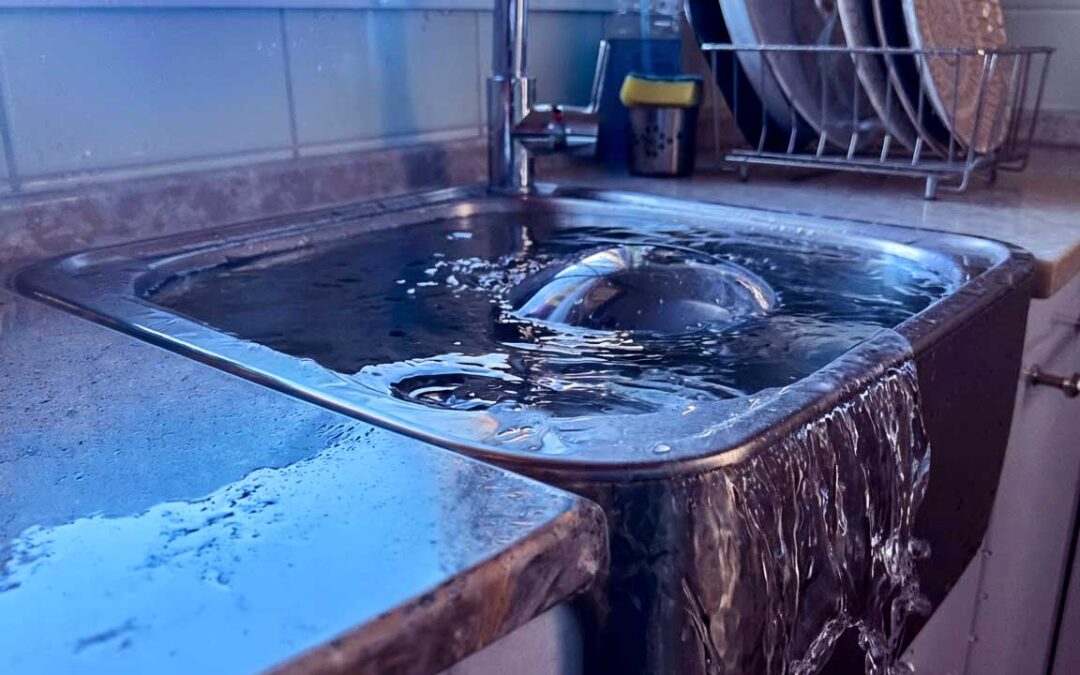
When a plumbing emergency happens – whether it is a burst pipe, overflowing toilet, or sudden leak – every minute counts. While calling a licensed plumber is the correct initial step, there are ten things you can (and should) do before they arrive to minimize damage, protect your home, and speed up the repair.
Shut Off the Water Supply
Stopping the flow of water is the fastest way to prevent further damage. For leaks or burst pipes: Turn off your home’s main water shut-off valve. For isolated issues: Use the fixture shut-off valve (under sinks, behind toilets, under appliances). If you are not sure where your main shut-off is, find it now, before an emergency occurs.
Turn Off the Water Heater
If the main water supply is shut off, your water heater could overheat or become damaged.
For gas heaters, turn the thermostat to the “pilot” setting. For electric heaters, turn off the power at the breaker. This prevents pressure buildup and protects the unit.
Contain the Water
Even a minor leak can cause significant damage quickly. While waiting for the plumber:
- Use buckets, towels, or pans to catch dripping water
- Lay down old towels, blankets, or rags to soak up pooling water
- If water is entering light fixtures or electrical areas, avoid the area and cut power to that room
Clear the Work Area
Help your plumber work efficiently by clearing the space around the problem area:
- Move furniture, rugs, storage bins, or personal items
- Clear under-sink areas
- Ensure safe, easy access to utility rooms or basements
Document the Damage
If the emergency may involve insurance claims, take quick photos or videos.
- Capture leaks, flooding, and damaged materials
- Do not remove evidence until everything is documented
Turn Off Electricity if Needed
If water is near electrical outlets, appliances, or wiring turn off power to that specific area using your breaker panel. Do not step in standing water near electrical sources.
Try Temporary Solutions (When Safe)
While you should not attempt major repairs yourself, some temporary measures can help:
- Wrap pipe leaks with pipe tape or a rubber patch + clamp
- Place a bucket under slow leaks
- Shut down toilets with an overflow by turning the supply valve and removing the tank lid to reposition the flapper
Know What to Tell the Plumber
When you call, provide:
- The type of emergency (burst pipe, blocked drain, etc.)
- Where the issue is located
- Advise them of the temporary steps you have taken
- Whether water or electricity is turned off
Keep Pets and Kids Away
Emergency plumbing work can involve:
- Wet floors
- Tools and sharp objects
- Hot pipes or heating equipment
Stay Calm and Be Prepared
Plumbing emergencies can be stressful, but taking the right steps before help arrives can drastically reduce damage and repair costs. After the situation is resolved, consider scheduling a preventive inspection to reduce the risk of future emergencies. To find out more information on plumbing issues or find a plumber visit https://socalplumbers.com/.