
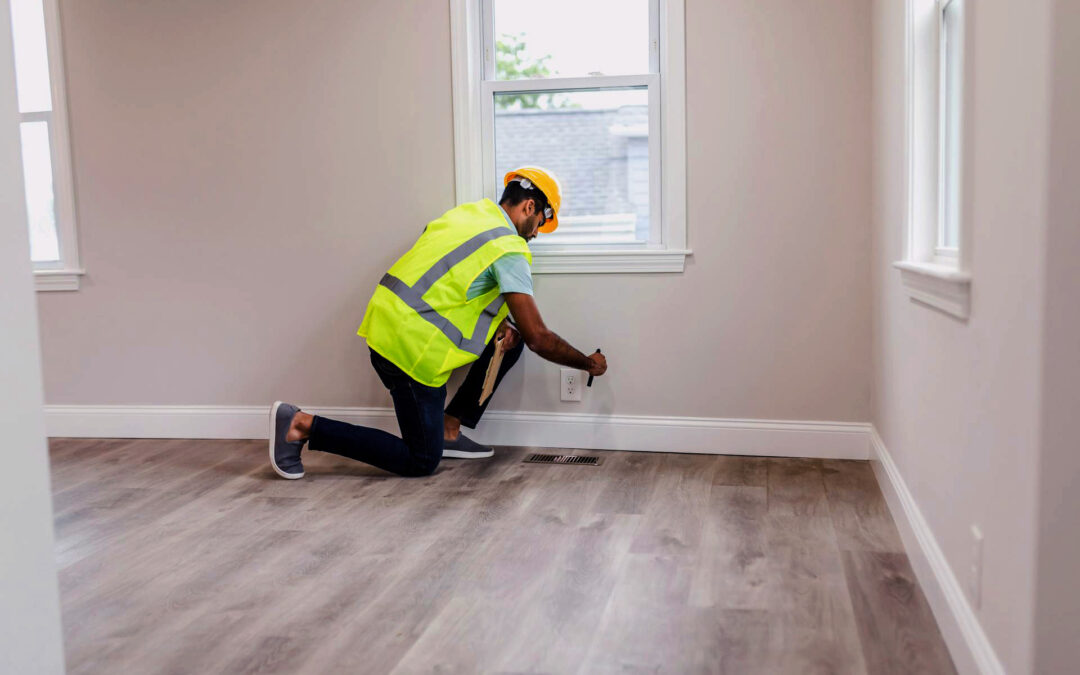
Even in sunny Southern California, hidden plumbing problems can quietly build behind walls, slabs, and fixtures. Because many SoCal homes were built decades ago, and often sit on expansive or shifting soil, plumbing wear and tear is common. A routine plumbing inspection is one of the smartest ways to spot issues early, prevent costly water damage, and keep your system running efficiently.
7 Warning Signs It Is Inspection Time
1. Slow Drains Throughout the House
One slow drain is usually a localized clog. But when multiple sinks, tubs, or showers drain slowly, it often points to a deeper obstruction in the main sewer line. In older neighborhoods, tree-root intrusion and corroded cast iron pipes are frequent culprits.
2. Sudden Drops in Water Pressure
If your shower pressure weakens unexpectedly or fixtures deliver only a trickle, this may signal a leak somewhere in your supply line. In Southern California’s aging housing stock, galvanized pipes and joint weaknesses are especially vulnerable.
3. Water Stains on Walls, Ceilings, or Baseboards
Discoloration or soft drywall typically means a slow leak has been occurring for some time. Left unchecked, this can lead to mold growth, an expensive and hazardous problem for homeowners.
4. Higher-Than-Usual Water Bills
An unexplained jump in your utility bill is one of the easiest-to-spot red flags. Even a pinhole leak can waste hundreds of gallons over a month. A plumbing inspection can locate leaks before they become major repairs.
5. Frequent Toilet Backups or Gurgling Sounds
Toilets that burp, bubble, or require frequent plunging often indicate a blockage or compromised sewer lateral. Gurgling can also mean your vent stack is obstructed, something only a professional can properly verify.
6. Damp or Moldy Smells Indoors
A persistent musty or mildew-like smell indoors is often the first sign of a hidden plumbing leak – especially in areas like bathrooms, laundry rooms, or behind kitchen cabinets. Because damp drywall and wood framing trap moisture, odor tends to show up before visible spotting or staining does. In Southern California, indoor humidity levels are normally low, so these odors are especially telling: if you smell moisture, it usually means it’s coming from a leak, not the weather.
7. Cracks in the Foundation or Outdoor Wet Spots
Cracks in your slab foundation, driveway, or perimeter masonry can be early warning signs of underground plumbing failure, commonly known as a slab leak. When a pressurized water line beneath the concrete breaks, moisture begins to displace soil, leading to settling and shifting. Outdoors, you may notice unexplained wet patches in planters or areas of lawn that stay soggy even after days of sunshine. In Southern California’s clay-based soils, this moisture buildup can quickly cause structural movement. A plumbing inspection using leak-detection technology can confirm whether the problem is structural, soil-related, or coming from a concealed water line failure.
Between seismic movement, shifting soil, aging infrastructure, and high mineral content in water supplies, SoCal homes face unique plumbing stressors. A routine inspection – especially every 1–2 years – helps catch issues before they become emergencies, saving homeowners big on water damage restoration, re-piping, or sewer repairs.
Plumbing problems very rarely get better on their own. If you’re noticing any of the warning signs above, scheduling a professional inspection now can help you avoid major repairs later. A licensed plumber can pinpoint the issue, recommend preventive maintenance, and keep your home’s plumbing running safely and efficiently for years to come.